Introduction
Not every investment needs to be high-risk to grow your wealth. For beginners, low-risk investments are ideal for building a stable financial foundation while minimizing potential losses. In 2025, options like ETFs, index funds, government bonds, and high-yield savings accounts make it easier than ever to invest safely. This guide will explore the best low-risk investments for long-term growth, provide actionable tips, highlight real-world examples, and explain common mistakes to avoid. By following these strategies, even investors with a modest budget can steadily grow their wealth, protect capital, and gain confidence in their financial journey. Whether you’re saving for retirement, a house, or general financial security, these approaches can help you achieve your goals with less stress and risk.
Why Low-Risk Investments Matter
Stability Over High Returns
Low-risk investments provide predictable growth and protect your principal. While returns are lower than high-risk assets, they are ideal for long-term wealth building.
Mini Case Study:
David, 35, allocated 70% of his portfolio to low-risk ETFs and bonds. Over 15 years, he achieved consistent annual returns of 6–7%, which compounded into a significant retirement fund.
Common Mistake:
Chasing high-risk investments can result in major losses. Beginners often overlook stable options that compound steadily over time.
Types of Low-Risk Investments
ETFs & Index Funds:
Track broad market indices
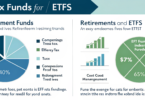
Low fees and automatic diversification
Government Bonds:
Issued by governments; very low default risk
Steady interest income
High-Yield Savings Accounts & CDs:
Safe, accessible, insured options for beginners
Ideal for short-term goals or emergency funds
Dividend-Paying Stocks:
Provide regular income with moderate risk
Focus on established, blue-chip companies
Real Estate (REITs):
Invest in property indirectly
Provides rental income and moderate appreciation
Tip: Mix multiple low-risk investments to balance security and growth.
Strategy for Long-Term Growth
Assess Your Risk Tolerance
Determine how much volatility you can handle. Low-risk investments are best for risk-averse beginners or those with shorter time horizons.
Diversify Across Assets
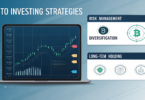
Spread investments across ETFs, bonds, and dividend-paying stocks to minimize potential losses while maintaining growth.
Example:
Sarah invested 50% in ETFs, 30% in bonds, and 20% in dividend-paying stocks. This approach provided stable growth while keeping risk low.
Automate Regular Contributions
Consistency is key. Automate monthly investments to take advantage of dollar-cost averaging and reduce the impact of market volatility.
Reinvest Returns
Reinvest dividends and bond interest to maximize compound growth over the long term.
Review Annually
Check your portfolio once a year and rebalance if allocations drift. This ensures your investments remain aligned with your goals.
Real-World Examples & Mini Case Studies
ETFs & Bonds Mix: James, 40, combined low-risk ETFs and government bonds for a 15-year plan. His portfolio grew steadily without major losses.
Dividend Stocks: Anna invested in blue-chip dividend stocks. Even during market dips, she received consistent income that helped fund additional investments.
Tip: Start with a conservative allocation and gradually diversify into other assets as your knowledge grows.
Common Mistakes to Avoid
Ignoring fees and taxes that can reduce returns
Over-allocating to one type of investment
Expecting immediate high returns from low-risk investments
Failing to reinvest dividends and interest
FAQs
Q1: What is the safest low-risk investment?
A: Government bonds and high-yield savings accounts are among the safest options with minimal risk of losing principal.
Q2: Can low-risk investments grow wealth significantly?
A: Yes, over the long term, steady compounding can result in substantial growth even with conservative investments.
Q3: How much should beginners allocate to low-risk investments?
A: Beginners can start with 60–80% of their portfolio in low-risk options, adjusting based on age and goals.
Q4: Are dividend-paying stocks safe?
A: Dividend-paying stocks from established companies are moderately safe and provide consistent income.
Q5: Should I avoid all high-risk investments?
A: Not necessarily. A small portion of your portfolio can include higher-risk assets for growth, but low-risk investments should form the core.
Internal & External Links
Internal Links:
Investment Strategies for Beginners 2025 – Investing & Wealth Growth
Budgeting for investment goals – Personal Finance & Budgeting
Side hustles to fund your investments – Money-Making Ideas