
Introduction
Investing in real estate can be one of the most rewarding ways to grow wealth, but first-time buyers often feel overwhelmed. From selecting the right property to understanding financing options and managing tenants, there’s a lot to consider. In 2025, the market offers unique opportunities for beginners, including affordable financing options, real estate crowdfunding, and rental property platforms. This guide will provide actionable tips for first-time real estate investors, including strategies to minimize risk, maximize returns, and navigate common pitfalls. By following these steps, you can confidently take your first steps into property investing, generate passive income, and build long-term wealth. Real estate is not just about buying property—it’s about creating a sustainable financial strategy that works for your goals.
Why Real Estate is a Great Investment
Tangible Asset with Long-Term Value
Real estate provides a physical asset that appreciates over time. Unlike stocks, you can see and manage your investment directly.
Mini Case Study:
Emma purchased a small rental property for $150,000. Over 10 years, the property appreciated to $220,000, while rental income covered expenses and generated profit.
Common Mistake:
Many first-time buyers focus only on appreciation and ignore cash flow potential from rentals.
Diversification and Passive Income
Real estate adds diversification to your investment portfolio and can provide steady passive income. Rental income helps offset expenses and grow your wealth steadily.
Before investing, ensure you have:
Emergency savings
Stable income
Good credit score for financing
Tip: Avoid over-leveraging. Start small to reduce financial risk.
Choose the Right Property Type
Options include:
Single-family homes
Multi-family units
Condos
REITs (Real Estate Investment Trusts) for indirect exposure
Example:
First-time buyers often succeed with single-family homes in growing neighborhoods with high rental demand.
Understand Financing Options
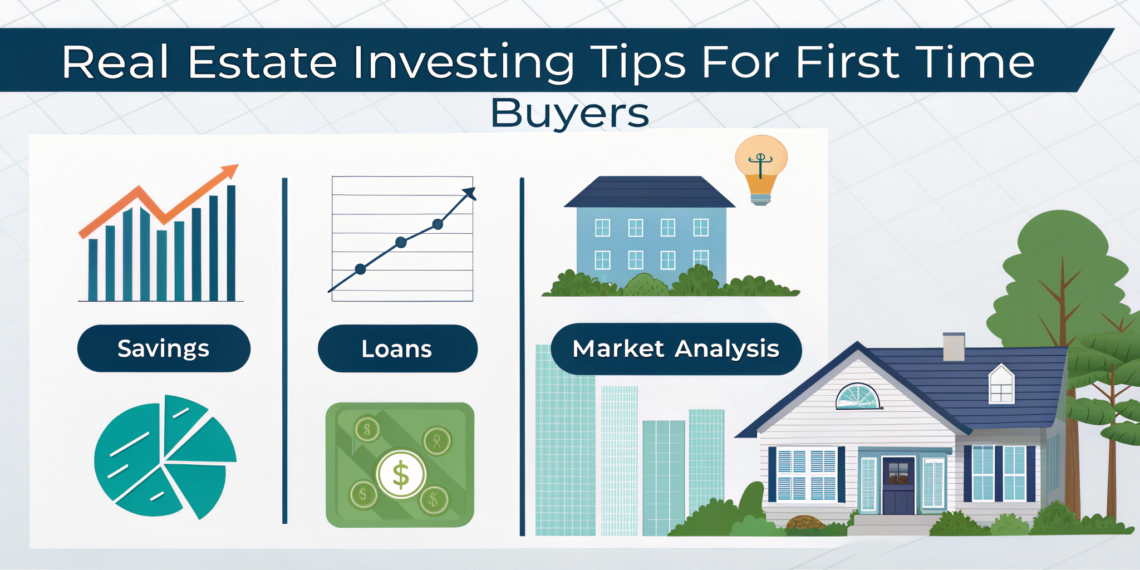
Traditional mortgage
FHA loans for first-time buyers
Home equity loans (later stage)
Real estate crowdfunding platforms for small investments
Tip: Compare interest rates, loan terms, and down payment requirements carefully.
Research the Market
Study local neighborhoods for growth potential
Check rental demand and average rents
Analyze property taxes, maintenance costs, and regulations
Common Mistake: Buying in trendy areas without long-term rental potential.
Plan for Management and Maintenance
Decide whether to self-manage or hire a property manager
Budget for repairs, vacancy periods, and property upkeep
Tip: Factor in ongoing costs when calculating ROI.
Focus on Long-Term Strategy
Real estate is a long-term investment. Avoid flipping properties unless you have experience. Prioritize rental income and appreciation over short-term gains.
Real-World Examples & Mini Case Studies
Rental Property Success: Tom bought a duplex in a mid-sized city. Renting both units provided enough cash flow to cover his mortgage and fund another property purchase.
Crowdfunding Example: Maria invested $5,000 in a real estate crowdfunding platform and earned 6% annual returns without managing physical property.
Tip: Start small, focus on cash flow, and gradually scale as experience grows.
Common Mistakes First-Time Buyers Make
Underestimating repair and maintenance costs
Overpaying for property due to hype
Ignoring neighborhood trends and rental demand
Not accounting for property taxes and insurance
Over-leveraging and risking financial stress
FAQs
Q1: How much money do I need to start investing in real estate?
A: You can start with as little as $5,000–$10,000 using crowdfunding or FHA loans, but traditional property investments usually require a larger down payment.
Q2: Should I buy a single-family home or multi-family property?
A: Single-family homes are easier for beginners, while multi-family units offer higher rental income but require more management.
Q3: Is real estate a safe investment for beginners?
A: With research, proper budgeting, and risk management, real estate can be relatively safe and provide long-term wealth growth.
Q4: Can I invest in real estate without owning property?
A: Yes, REITs and crowdfunding platforms allow exposure to real estate without direct ownership.
Q5: How do I find tenants as a first-time investor?
A: Use local listings, online platforms, and property management companies to attract reliable tenants.
Internal & External Links
Internal Links:
Investment Strategies for Beginners 2025 – Investing & Wealth Growth
Budgeting for investment goals – Personal Finance & Budgeting
Side hustles to fund your investments – Money-Making Ideas